This is one of the questions we hear most from multilingual families – and one that deserves a real, honest answer rather than a generic checklist.
Every multilingual family’s situation is different. Different languages, different countries, different levels of community support, different children. What works brilliantly for one family may not fit another at all.
“There is no single right answer in multilingual parenting. There is only the answer that fits your family, your languages, and your real daily life.”
What the research tells us
Research on multilingual development consistently points to a few core factors that matter most: consistent exposure, positive emotional associations with the language, and a supportive family environment. The specific strategy matters less than whether it can actually be sustained over years.
What actually works in real families
- Small daily habits beat occasional intense sessions
- Connection and warmth in a language matter more than correction
- Flexibility and self-compassion keep parents going longer than perfection
- Children respond best when language feels natural, not like a lesson
THE MULTILINGUAL MAMAS APPROACH
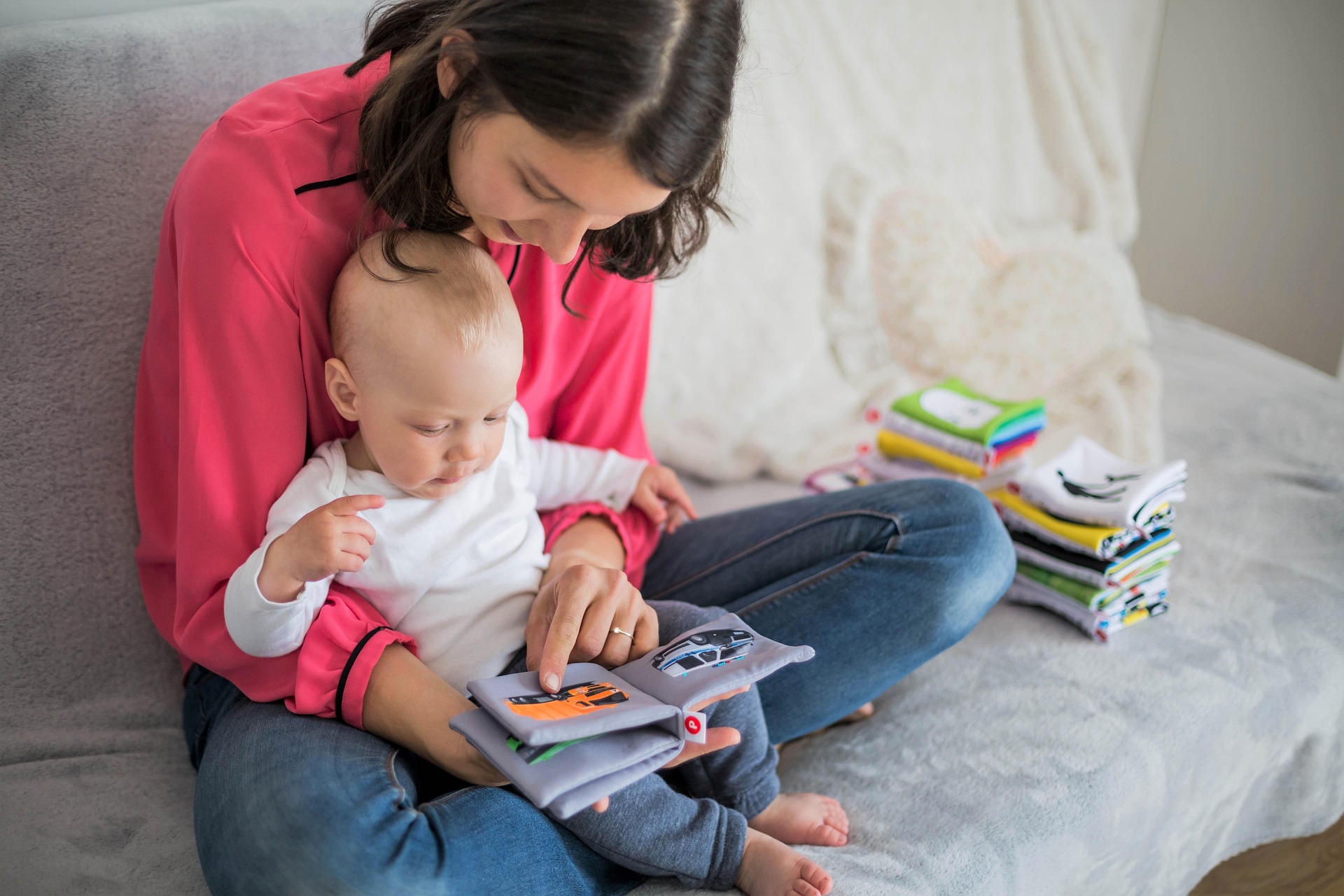
We believe bilingualism starts in everyday moments – bedtime stories, kitchen conversations, car rides. Not in complicated systems. Not in guilt. Small, consistent habits build real language over time.
New to multilingual parenting?
Start with our free guide – practical routines and no-pressure strategies for building language at home from day one.
Practical steps you can take this week
- Identify one existing daily routine you can attach your minority language to
- Find one piece of content your child loves in the minority language
- Connect with one other family doing the same thing – even online
- Give yourself permission to be imperfect and keep going anyway
Frequently asked questions
Where do I start if I feel overwhelmed?
Start with one thing. One routine, one book, one song. Small steps that you actually maintain are worth far more than ambitious plans that collapse after a week.
How do I know if my approach is working?
Look for understanding first. Passive understanding is the foundation that active speaking builds on. If comprehension is growing, you are on the right track.
Can I start multilingual parenting later in childhood?
Yes. While earlier is generally easier, children can develop strong skills in a language at any age with consistent, engaging exposure. Later starts are not too late.
Questions? Reach us at hello@multilingualmamas.com or find us on Threads and Instagram @themultilingualmamas.